


Freeze Protection Tips | Jaguar San Antonio
Freeze Protection Tips | Jaguar San Antonio
Cold snaps can hit fast in Texas. Here are quick, practical tips to protect your
vehicle, your home, and your pets—plus easy next steps if you need help getting ready.
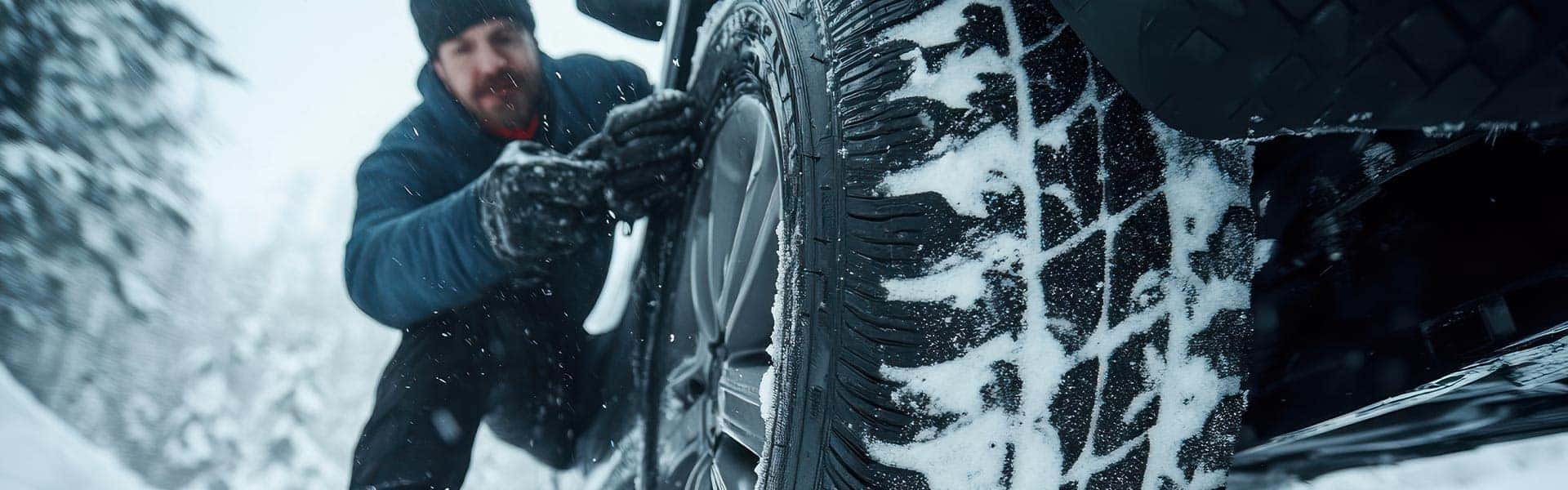
A quick check now can help prevent no-start mornings.
Protect Your Car
Freezing temperatures affect starting power, tire pressure, and fluid performance. A little preparation can prevent big headaches.
🔋 Battery & Starting
Cold weather reduces battery output and makes engines harder to start.
- Test batteries around 3+ years old
- Slow cranking or dim lights are warning signs
- Keep jumper cables or a jump pack in the vehicle
🛞 Tires & Traction
Tire pressure drops when temperatures fall, which can affect handling.
- Check PSI when tires are cold
- Confirm tread depth for wet/icy roads
- Don’t ignore TPMS warnings
🧊 Fluids & Visibility
Correct fluids help protect the engine and keep visibility clear.
- Verify coolant/antifreeze level and mixture
- Use freeze-rated washer fluid
- Check wipers and defrosters before the freeze
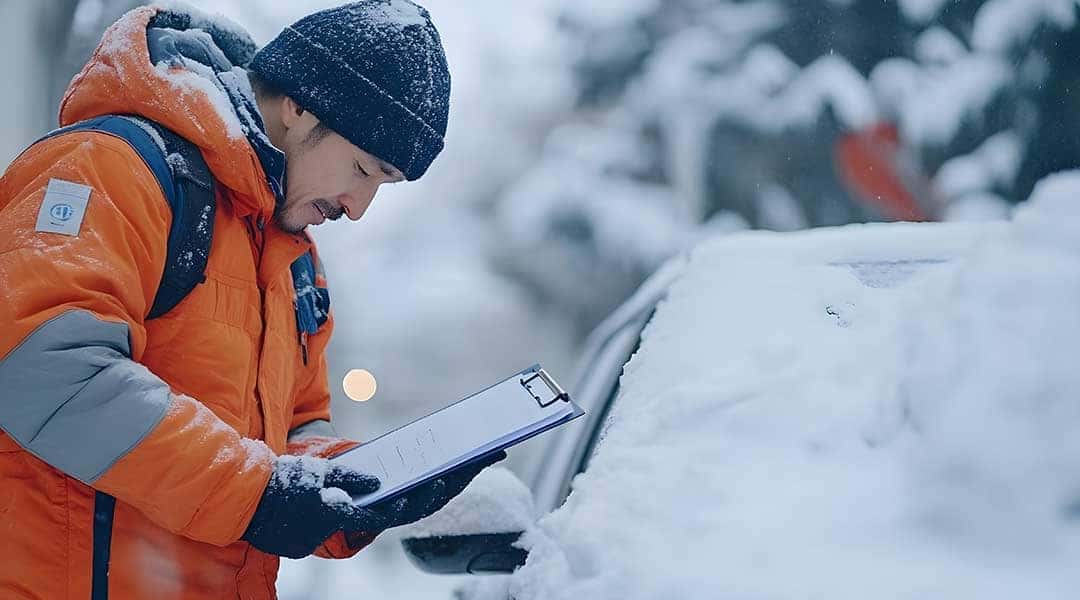
Quick vehicle checklist
- Battery tested and charging system evaluated
- Tire pressure checked and adjusted for cold drops
- Coolant strength confirmed and washer fluid topped off
- Wipers, defrosters, and heater operating properly
- Exterior lights checked for winter visibility
- Emergency kit stocked (blanket, flashlight, phone charger)
- Belts, hoses, and fluids visually inspected
If you want peace of mind before temperatures drop, schedule service and we’ll help you get freeze-ready.
Protect Your Home
A few simple steps can help reduce the risk of frozen pipes and keep your home more comfortable during a cold snap.
🚰 Pipes & Faucets
Frozen pipes can burst—prevention is easier than cleanup.
- Cover outdoor spigots and exposed pipes
- Open cabinets under sinks for warm air flow
- Let faucets drip during the coldest hours
🏠 Heating & Power Prep
Keep warmth in and have a plan if power is interrupted.
- Replace HVAC filters if needed
- Charge devices and stage flashlights
- Know where your water shutoff valve is
🧊 Outdoor Items
Cold temps can damage hoses and irrigation components.
- Disconnect and drain hoses
- Cover exposed plumbing where possible
- Bring in temperature-sensitive items
Protect Your Pets
Pets feel cold snaps too. Keep them warm, safe, and hydrated—especially overnight.
🐾 Warmth & Shelter
Bring pets inside when temperatures drop.
- Limit time outdoors during the coldest hours
- Provide warm bedding off the ground
- Watch smaller/short-haired pets closely
💧 Food & Water
Hydration matters in winter too.
- Check water bowls more often (can freeze)
- Keep a fresh indoor water option available
- Maintain regular feeding schedule
🚗 Travel Safety
If you’re driving with pets, keep them secure and comfortable.
- Use a harness, carrier, or pet seatbelt
- Keep a blanket in the car
- Never leave pets unattended in extreme temps
Frequently Asked Questions
Need help getting ready? Schedule service and we’ll help you prepare for cold weather.
